Even the stones cry out
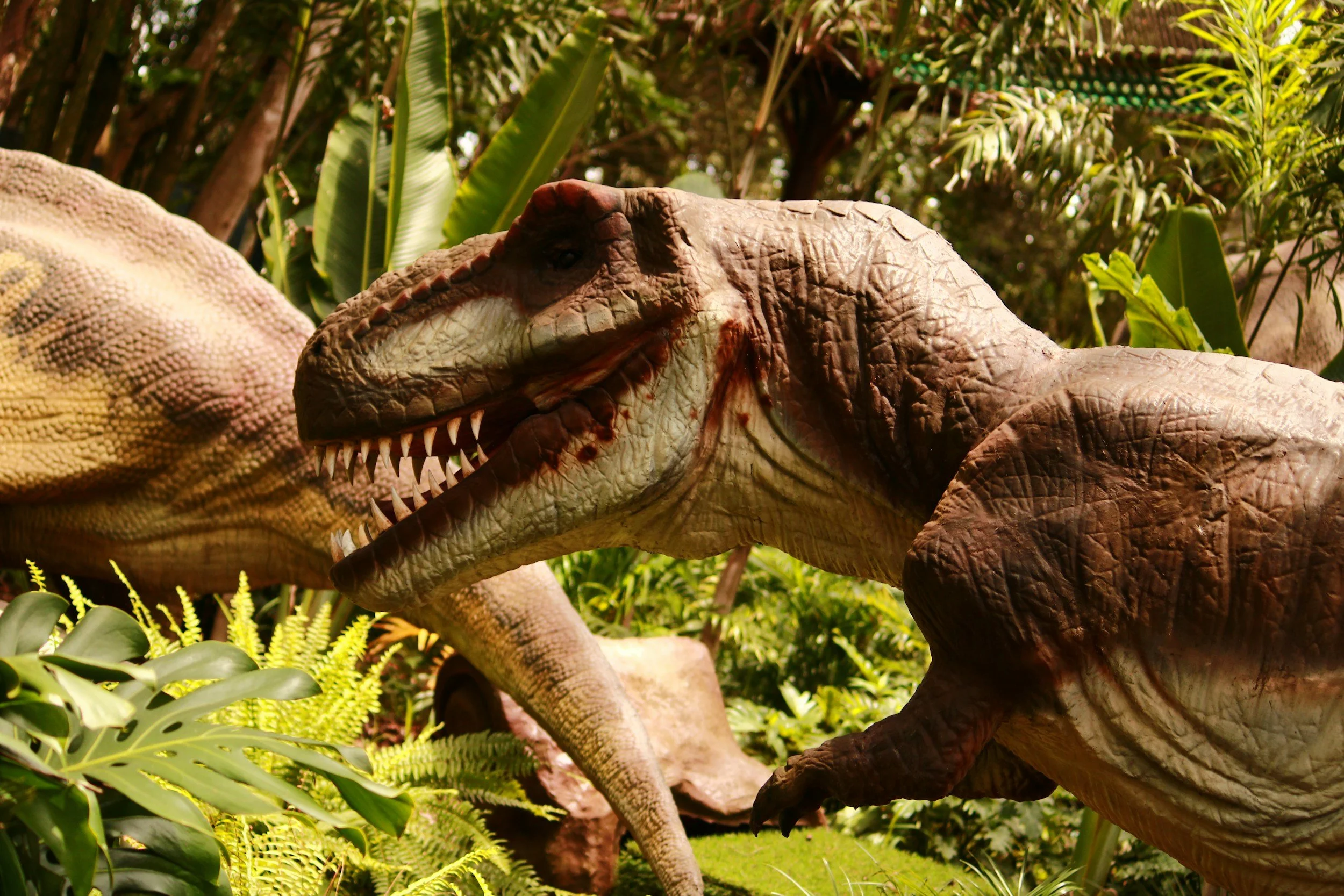
‘…if they keep quiet, the stones will cry out…’ (Luke 19:40, NIV) When Jesus uses these startling words on his way into Jerusalem for the last time, he’s explaining to the Pharisees that the whole of creation (even the rocks) will praise him and shout out who he is if people don’t… It is a bold and poetic way of saying that creation is there to bring glory to its Creator.
The voice of creation then, is something we shouldn’t ignore. When we listen to what the stones are crying out, they speak of an ancient origin…
Science is the study of God’s creation and scientists specialising in rocks are called geologists. Geologists use two sorts of dating for rocks; - the decay of radioactive isotopes e.g. uranium to lead (radiometric dating) and the comparison of rock layers and embedded fossil types.
Radiometric dating is used for igneous rocks which form as molten magma cools and can be applied to rocks billions of years old. Canadian Acasta Gneiss and Nuvvuagittuq Greenstone basalt were dated this way and both are over 4 billion years old, formed when Earth was a very young planet!
Sedimentary rock layers are typically no more than 500 million years old because they are continually recycled; either by erosion on the Earth’s surface, or by melting and transformation in the high temperatures and pressures deep underground. Radiometric dating doesn’t normally work well for sedimentary rocks because it’s made from a mix of particles, but sometimes volcanic ash layers above and/or below layers of sedimentary rock (which can be dated radiometrically) give us the date range for the layers inbetween.
The relatively gentle deposition of sedimentary rock over millions of years is also great for preserving fossils, and if we know when that plant or animal lived and became extinct, that can give us further reliable evidence for the date of the rock layer it’s found in.
One such amazing fossil – ‘The fighting dinosaurs’ – was found in the Gobi Desert in 1971 (see picture). Dating from around 75 million years ago, this fossil is extremely rare because it captures two dog-sized animals, a velociraptor and a protoceratops, at a moment in time.
The velociraptor was found lying beneath its prey with one of its killing claws digging into the protoceratops’s neck, while the protoceratops is fighting back; biting and breaking the raptor's arm. Because the predator's claw is stuck in the neck of its prey, scientists believe the raptor's blow was almost certainly fatal, but in the end neither animal could escape when the sand or earth collapsed on them all those millions of years ago.